Can an Illinois Homeowner Be Liable When a Guest Is Injured at a Party?
Can an Illinois Homeowner Be Liable When a Guest Is Injured at a Party?
Hosting friends, relatives, or neighbors at your home is usually an enjoyable occasion. However, when a guest suffers an injury during a party, questions can quickly arise about who is financially responsible. Under Illinois premises liability and negligence law, a homeowner may be liable for a guest’s injuries in certain circumstances.
For people injured at a private residence in Peoria, understanding how Illinois law applies can help determine whether compensation may be available. Halliday McCall Accident Lawyers of Illinois can provide legal assistance to individuals in Peoria who have been injured because of potentially unsafe conditions on another person’s property.
When Can a Homeowner Be Responsible for a Guest’s Injury?
A homeowner is not automatically responsible simply because someone was injured on their property. Generally, an injured guest must establish
that the homeowner acted negligently and that this negligence contributed to the accident.
A premises liability claim may involve allegations that the homeowner knew, or reasonably should have known, about a dangerous condition but failed to address it or provide an adequate warning. The specific facts surrounding the accident are important when determining whether the homeowner may be legally responsible.
For example, potential hazards at a house party could include broken stairs, loose railings, slippery floors, inadequate lighting, damaged walkways, or other unsafe property conditions.
What Duty Do Illinois Homeowners Owe Their Guests?
Illinois property owners generally have a duty to exercise reasonable care under the circumstances toward lawful visitors. When homeowners invite guests onto their property for a party, they should take reasonable precautions to address dangerous conditions that could foreseeably cause injuries.
This does not mean homeowners must guarantee that nobody will get hurt. Rather, liability typically depends on factors such as whether a
dangerous condition existed, whether the homeowner knew or should have known about it, whether reasonable precautions were taken, and whether the condition actually caused the guest’s injuries.
These considerations can make Illinois premises liability cases highly dependent on the circumstances surrounding each accident.
Common Injuries at House Parties
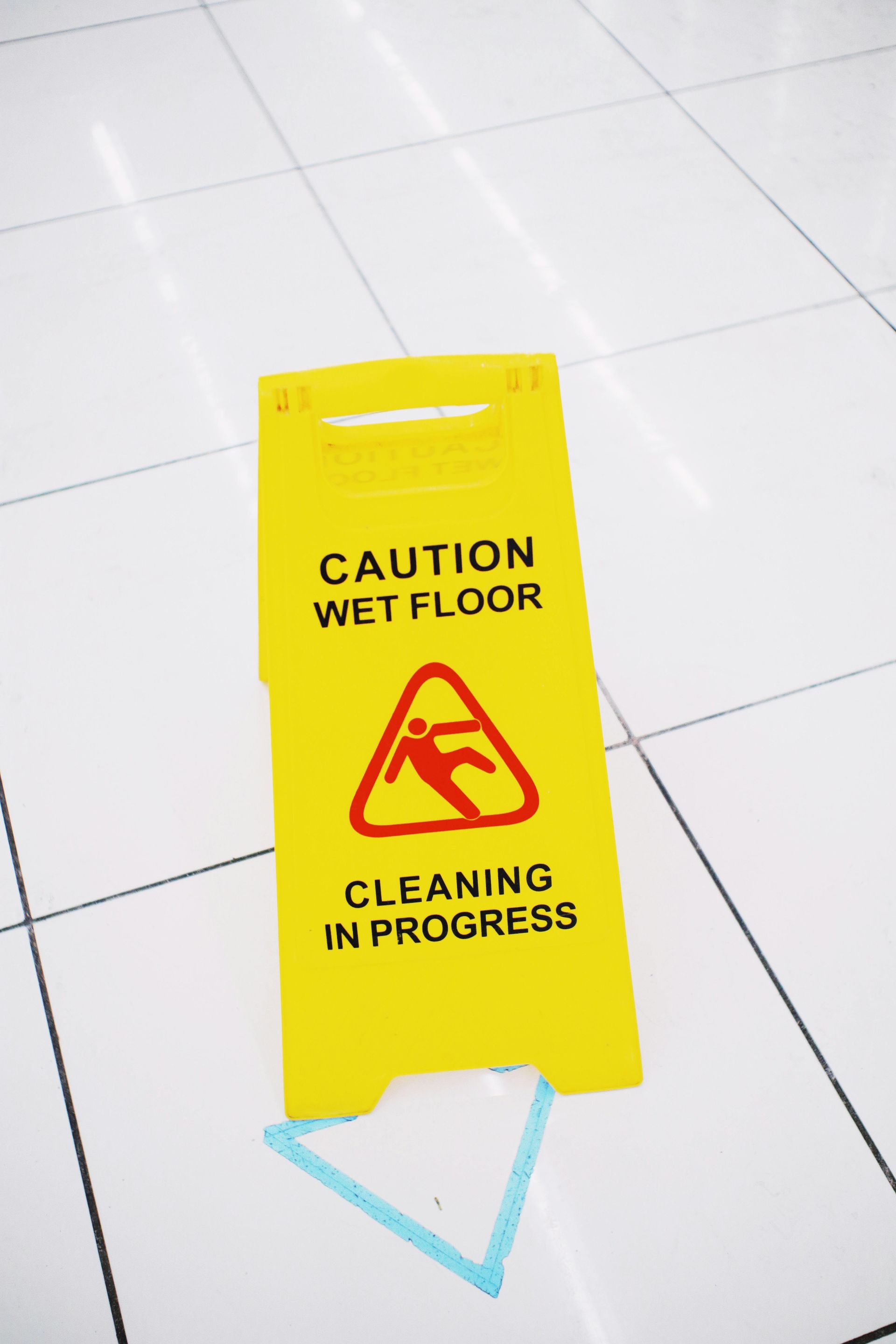
Many different accidents can occur during gatherings at private homes. Slip-and-fall accidents are particularly common and may result from spilled drinks, wet flooring, uneven surfaces, cluttered walkways, or poorly maintained stairs.
Guests can also be injured because of defective decks or balconies, swimming pool hazards, falling objects, unsafe outdoor areas, or inadequate property maintenance. Injuries may range from relatively minor sprains and cuts to fractures, head injuries, spinal injuries, and other serious conditions.
When an accident results from an unsafe property condition, the injured guest may have grounds to investigate a premises liability claim.
What If the Injured Guest Was Partially Responsible?
Illinois follows a modified comparative negligence system. This means an injured person’s own conduct can affect the amount of compensation available.
If a guest contributed to the accident—for example, by ignoring an obvious warning or engaging in risky behavior—the guest's potential recovery may be reduced according to their percentage of responsibility. If the injured person is found more than 50% responsible, recovery may generally be barred.
Because fault can be disputed after an accident at a party, preserving evidence about how the injury occurred can be important.
Does Homeowners Insurance Cover Guest Injuries?
In many cases, homeowners insurance may provide liability coverage when a guest is injured on residential property. Coverage depends on the policy, the circumstances of the accident, and any applicable exclusions.
An insurance company may investigate the accident and determine whether it believes the homeowner was legally responsible. However, insurers may dispute liability, question the seriousness of injuries, or offer compensation that does not fully account for an injured person's losses.
A personal injury attorney can review the circumstances of the accident, available insurance coverage, medical documentation, and other evidence when evaluating a potential claim.
What Compensation May Be Available After a Premises Liability Accident?
When a homeowner or another responsible party is legally liable, an injured guest may be able to pursue compensation for losses associated with the accident. Depending on the case, damages may include medical expenses, future medical treatment, lost income, reduced earning capacity, pain and suffering, and other accident-related losses.
The amount available depends on factors such as the severity of the injuries, the injured person's recovery, available insurance coverage, and the degree of responsibility assigned to each party.
What Should You Do After Being Injured at Someone’s Home?
After an injury at a party, obtaining appropriate medical attention should be a priority. When possible, documenting the accident scene can also help preserve important evidence.
Photographs or videos of the hazardous condition, witness contact information, medical records, and communications concerning the accident may later become relevant to a premises liability claim. Injured guests should also be cautious about providing detailed statements to insurance companies before understanding their rights.
Contact Halliday McCall Accident Lawyers of Illinois About a Peoria Premises Liability Claim
Determining whether an Illinois homeowner is liable for an injury at a party requires examining how the accident happened, what the homeowner knew about the dangerous condition, and whether reasonable precautions were taken.
If you were injured while attending a party or gathering at someone else's home in Peoria, Halliday McCall Accident Lawyers of Illinois can review the circumstances surrounding your accident and explain the legal options that may be available. Seeking legal guidance promptly can also help preserve evidence and protect your ability to pursue an Illinois premises liability or personal injury claim.